

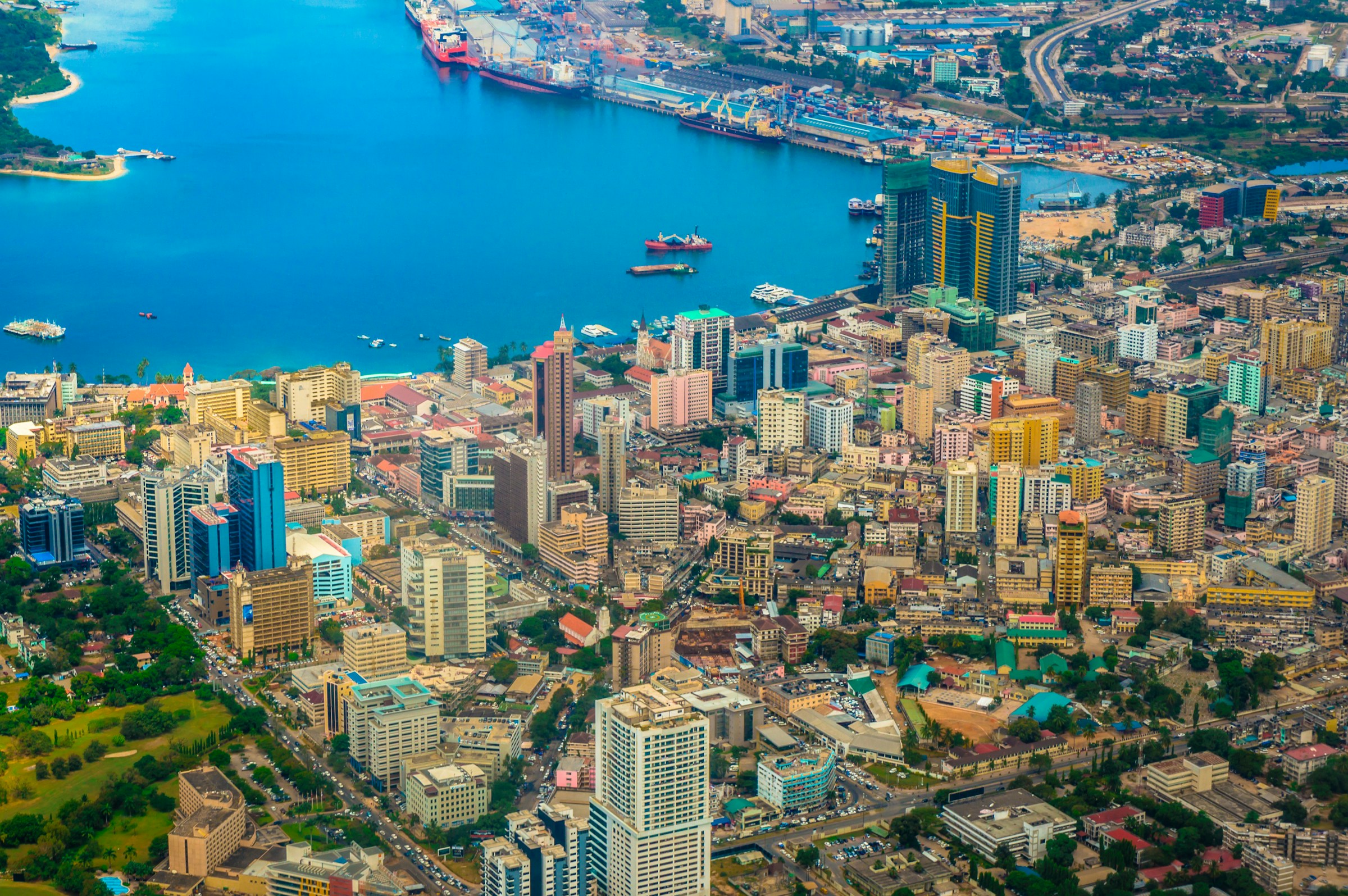
Tanzania’s property sector has quietly become one of East Africa’s most talked about real estate stories. Between a booming new capital city, a tourism fuelled coastline, and a growing middle class hunting for modern housing, the Tanzania real estate market is shifting fast and in ways that matter whether you’re a first-time local buyer, a diaspora investor, or a foreign national exploring the market for the first time.
This guide breaks down where the market stands today, what’s driving growth, the risks worth knowing about, and where the smartest opportunities are likely to be over the next few years.
Tanzania Real Estate Market at a Glance
| Metric | Current Snapshot |
|---|---|
| Market outlook | Steady growth, mid-to-high single-digit annual expansion |
| Fastest-growing city | Dodoma (capital relocation effect) |
| Strongest tourism-linked market | Zanzibar (coastal/resort demand) |
| Typical residential financing | Mostly cash-based; mortgage penetration still low |
| Foreign ownership | Restricted for land; possible via leasehold, derivative rights, or unit titles |
| Highest-demand cities | Dar es Salaam, Dodoma, Arusha, Zanzibar |
(Figures above are directional estimates drawn from multiple industry sources rather than a single official statistic — treat them as a general market read, not a precise index.)
Why Tanzania’s Property Market Is Growing
A few forces are converging at once, and together they explain most of the momentum behind the sector.
Urbanization and Population Growth
Tanzania’s population is young and increasingly urban. As more people move into cities like Dar es Salaam, Arusha, Mwanza, and Dodoma, demand for housing both to buy and to rent keeps climbing faster than formal supply can keep up.
The Dodoma Capital Relocation
Perhaps the single biggest structural driver in the market right now is the government’s move of ministries, agencies, and civil servants from Dar es Salaam to Dodoma. Thousands of relocated workers need housing, and the ripple effect has pulled in private developers, retailers, and service businesses. Some reports now peg Dodoma’s office rents as having overtaken even Dar es Salaam’s, a remarkable shift for a city that was a quiet administrative town a decade ago.
Tourism and the Zanzibar Effect
Zanzibar’s beaches, along with Arusha and the northern safari circuit, continue to draw international visitors and increasingly, international buyers. Resort developments, boutique villas, and short-term rental properties in areas like Nungwi, Paje, and Jambiani have become a distinct segment of the market, separate from the ordinary residential story playing out in the cities.
Infrastructure Investment
New roads, the Standard Gauge Railway, port expansion in Dar es Salaam, and Bus Rapid Transit (BRT) corridors are all reshaping which neighborhoods are convenient and therefore valuable. Areas along transport corridors tend to see the fastest price appreciation.
Gradually Improving Financing
Mortgage financing in Tanzania is still a small share of total home purchases (most transactions remain cash-based), but institutions like the Tanzania Mortgage Refinance Company (TMRC) have been working to deepen the market. As lending expands, even modestly, it tends to widen the pool of eligible buyers.
Market Segments: Where the Activity Is
| Segment | Demand Driver | Notes |
|---|---|---|
| Residential | Urban population growth, housing deficit | Apartments dominate the foreign-facing market; standalone houses more common for locals |
| Commercial (office/retail) | Business expansion, government relocation | Dodoma office rents rising fast; Dar es Salaam retail still undersupplied formally |
| Land | Investment, agriculture-adjacent development | Popular with diaspora buyers; title verification is critical |
| Tourism/Hospitality | Zanzibar, Arusha, Safari circuit | Higher yields but more regulatory complexity (licensing, foreign approvals) |
| Industrial/Logistics | SEZs, port and rail corridors | Emerging opportunity tied to manufacturing and trade growth |
Regional Spotlight
Dar es Salaam remains the country’s commercial heart, with prime neighborhoods like Masaki, Oyster Bay, Mikocheni, and Msasani commanding the highest prices and attracting diplomats, NGO staff, and corporate tenants.
Dodoma is the fastest-moving story in the market. What was once an affordable secondary city is now seeing rising rents and land values as the capital relocation matures, with government-linked demand pushing outward into surrounding suburbs.
Arusha benefits from its role as the gateway to Tanzania’s northern safari circuit and its base of international NGOs and conference business. Neighborhoods such as Njiro have drawn steady attention from expats, safari-industry professionals, and long-term tenants, making it one of the more resilient secondary markets outside the two capitals.
Zanzibar operates almost as its own market — driven by tourism rather than domestic urbanization, with strong short-term rental potential in areas like Paje, Nungwi, and Stone Town, but its own layer of rules around foreign investment and property approvals.
Challenges Every Buyer Should Understand
The opportunity in Tanzania’s real estate market is real, but so are the friction points:
- Land tenure complexity. A large share of urban housing sits on informally held or customary land, and title verification can be slow and legally intricate especially important to get right before any purchase.
- Financing costs. Mortgage interest rates remain relatively high by global standards, keeping many transactions cash-driven and slowing the pace at which deals close.
- Foreign ownership restrictions. Non-citizens cannot generally own land outright in Tanzania. Foreign buyers typically need to work through structures such as derivative rights, long-term leases, or the Unit Titles Act (which allows foreigners to own apartment/condo units more straightforwardly than land).
- Administrative delays. Building permit approvals, certificates of occupancy, and registration processes can take longer than buyers from more streamlined markets might expect.
- Currency and macro risk. Shilling volatility and broader macroeconomic conditions can affect real, dollar-denominated returns for foreign investors.
Opportunities Worth Watching
- Affordable and mid-market housing, both government-backed and private, to serve the widening urban middle class.
- Dodoma-linked residential and commercial development, riding the continued government relocation.
- Tourism-linked property in Zanzibar and around Arusha’s safari circuit, where yields can outperform standard residential rentals.
- Logistics and industrial space near Special Economic Zones and the port/rail corridors, as manufacturing and trade activity grow.
- Mixed-use developments that combine residential, retail, and office space — an increasingly popular model in both Dar es Salaam and Dodoma.
Tips for Buyers (Especially First-Time or Foreign Buyers)
- Verify the title before anything else. This is the single most important step in Tanzania, given how common informal or disputed land holdings are.
- Understand which ownership structure applies to you. Citizens, residents, and non-resident foreigners face different rules, know which bucket you fall into before you start shopping.
- Budget for a longer timeline. Sales processes and financing approvals in Tanzania typically move slower than in more mature markets, plan accordingly.
- Work with a licensed local agent or lawyer. Local expertise is invaluable for navigating land offices, municipal approvals, and neighborhood-level nuances that don’t show up in national statistics.
- Look beyond the obvious hotspots. While Dar es Salaam’s prime neighborhoods get the most attention, secondary markets like Dodoma and Arusha often offer better relative value and stronger yield potential for the price paid.
Frequently Asked Questions
Is now a good time to invest in Tanzania real estate?
Many of the underlying drivers: Urbanization, the Dodoma relocation, tourism growth, and infrastructure investment remain intact, which supports a broadly positive medium-term outlook. As with any market, timing depends on your specific goals, budget, and risk tolerance, and it’s worth doing current due diligence rather than relying on outdated figures.
Can foreigners buy land in Tanzania?
Not outright. Non-citizens generally cannot hold freehold land title in Tanzania. Foreign buyers typically access property through derivative rights, approved investment structures, long-term leases, or by purchasing apartment units under the Unit Titles Act.
Which city has the best rental yields in Tanzania?
Yields vary widely by segment. Tourism-linked short-term rentals in parts of Zanzibar can significantly outperform ordinary long-term residential rentals, while cities like Arusha and Dodoma often offer solid mid-range yields tied to expat, NGO, and government-linked tenant demand.
How long does it take to sell a property in Tanzania?
It varies by location and price point, but Tanzanian residential sales generally take longer than in Western markets, often several months, largely because mortgage financing is limited and many buyers need time to arrange cash.
Is Dodoma a good place to invest compared to Dar es Salaam?
Dodoma offers a more affordable entry point with strong, policy-driven demand growth tied to the ongoing government relocation. Dar es Salaam remains the larger, more liquid, and more internationally connected market. The right choice depends on whether you’re prioritizing growth potential or market depth and liquidity.
Do I need a mortgage to buy property in Tanzania?
No, the majority of property purchases in Tanzania are still cash-based. Mortgage financing exists and is slowly expanding, but interest rates remain relatively high, and approval can be more selective for foreign or non-resident buyers.
The Bottom Line
Tanzania’s real estate market is in an active growth phase, propelled by urbanization, a historic capital relocation, tourism demand, and gradually improving infrastructure and financing. The opportunity is genuine, but so is the need for careful, locally informed due diligence particularly around land title, ownership structures, and realistic timelines. Buyers who do their homework and work with knowledgeable local partners are well positioned to benefit from what looks like a multi-year growth story.
Looking for real estate opportunities in Arusha specifically? Explore current listings or get in touch with our local team for guidance on plots, homes, and investment properties in the region.
